
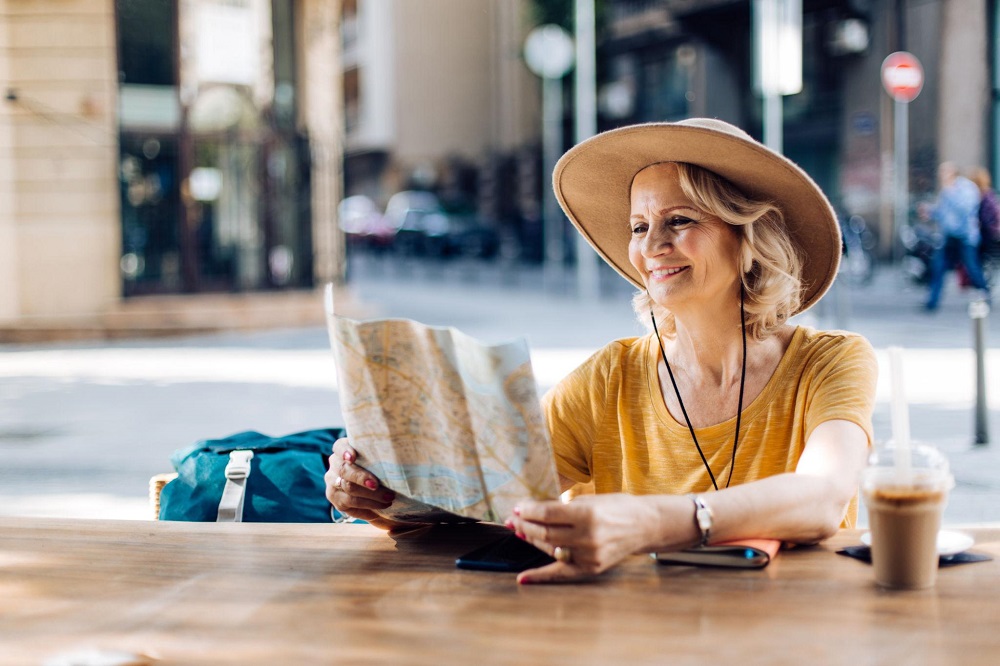
Travel culture often celebrates speed. Packed itineraries, multiple destinations, and tightly scheduled plans are seen as efficient ways to maximize time. Many travelers measure success by how many cities or countries they can check off a list in a short period.
Yet this approach often sacrifices something more valuable than quantity. Depth, connection, and meaningful experience tend to emerge when you slow down. Spending more time in one city allows you to move beyond surface-level tourism and experience a place as it actually feels, not just how it looks in highlights.
The Illusion of Productivity in Fast Travel
Rushing through multiple destinations can feel productive. You see more landmarks, take more photos, and collect more experiences in a short time. However, this form of travel often creates an illusion of richness.
Why It Feels Productive
- You cover more geographic ground
- You experience a variety of cultures quickly
- You create a sense of accomplishment
What Gets Lost
- Time to reflect on what you have seen
- Opportunities to understand local context
- Genuine engagement with people and places
Fast travel prioritizes movement over meaning. The result is often a blur of experiences that are difficult to distinguish or remember clearly.
Depth Over Breadth
Spending more time in one city allows you to explore it in layers rather than skimming the surface.
What Depth Looks Like
- Returning to the same neighborhood at different times of day
- Noticing how daily life unfolds beyond tourist zones
- Understanding the rhythm of the city
Instead of rushing from one landmark to another, you begin to see patterns, routines, and subtle details that define the character of a place.
The Value of Familiarity
Familiarity is often overlooked in travel, but it plays a crucial role in how we experience a destination.
How Familiarity Enhances Travel
- You recognize streets, shops, and local faces
- You feel more comfortable navigating without constant planning
- You develop a sense of belonging, even temporarily
This familiarity transforms a city from a destination into an environment you can move through naturally.
Reduced Decision Fatigue
Fast travel requires constant decision-making.
- Where to go next
- How to get there
- What to prioritize in limited time
This continuous planning can become mentally exhausting.
Benefits of Slowing Down
- Fewer logistical decisions
- More spontaneous exploration
- Increased mental clarity
When you stay in one place longer, you reduce the cognitive load associated with constant transitions. This allows you to focus more on the experience itself.
Stronger Cultural Understanding
Culture is not fully captured through landmarks or curated experiences. It is reflected in everyday life.
What You Gain With Time
- Observing local routines and social interactions
- Understanding food beyond popular dishes
- Noticing differences in pace, communication, and behavior
These insights require time and attention. They cannot be compressed into a brief visit.
Meaningful Human Connections
One of the most rewarding aspects of travel is connecting with people. However, meaningful interactions rarely happen in a rushed schedule.
Why Time Matters
- Conversations take time to develop
- Trust builds gradually
- Repeated encounters create familiarity
When you stay longer, you increase the likelihood of genuine interactions rather than brief, transactional exchanges.
Better Memory Formation
Experiences that are rushed tend to blend together. When you visit multiple cities quickly, it becomes difficult to recall specific details.
How Slower Travel Improves Memory
- Fewer experiences compete for attention
- You have time to process and reflect
- Moments feel more distinct and memorable
This leads to a richer and more lasting impression of your trip.
Flexibility and Serendipity
Rigid itineraries leave little room for unexpected discoveries. Slowing down creates space for spontaneity.
Examples of Serendipitous Moments
- Discovering a local event or festival
- Finding a neighborhood café that becomes a favorite
- Taking an unplanned walk that leads to a hidden spot
These moments often become the highlights of a trip, yet they are difficult to experience when every hour is scheduled.
Physical and Mental Wellbeing
Travel can be physically demanding, especially when it involves frequent movement, packing, and transportation.
Benefits of Staying Put
- Reduced physical fatigue
- Better sleep and recovery
- Lower stress levels
A slower pace allows you to enjoy your surroundings without constantly feeling rushed or overwhelmed.
Financial Efficiency
While it may seem that visiting more places offers better value, slower travel can actually be more cost-effective.
How You Save Money
- Lower transportation costs
- Better accommodation rates for longer stays
- Less spending on rushed activities or convenience services
Additionally, you are less likely to make impulsive decisions driven by time pressure.
A More Authentic Experience
Tourist itineraries often highlight the most popular attractions, but these do not always represent the full reality of a city.
What Authenticity Looks Like
- Visiting local markets instead of only tourist spots
- Observing daily routines rather than staged experiences
- Understanding how residents interact with their environment
Authenticity emerges when you move beyond curated experiences and engage with the everyday life of a place.
The Psychological Shift
Slowing down in one city changes your mindset.
From Consumption to Presence
Fast travel encourages consumption. You move quickly, collect experiences, and move on.
Slow travel encourages presence. You engage with your surroundings, observe details, and absorb the environment.
This shift leads to a more meaningful and fulfilling travel experience.
When Fast Travel Makes Sense
There are situations where visiting multiple destinations is practical or necessary.
Examples
- Limited vacation time
- Specific goals such as visiting multiple countries
- Travel focused on major landmarks
However, even in these cases, incorporating elements of slower travel can improve the overall experience.
How to Embrace Slower Travel
Adopting a slower approach does not require abandoning structure entirely. It involves making intentional choices.
Practical Tips
- Choose fewer destinations and allocate more time to each
- Leave gaps in your schedule for unplanned activities
- Stay in neighborhoods rather than central tourist areas
- Return to places you enjoy instead of constantly seeking new ones
These adjustments create a more balanced and rewarding travel experience.
The Bigger Perspective
Travel is not just about seeing places. It is about experiencing them in a way that leaves a lasting impression.
Rushing through multiple cities may provide variety, but it often limits depth, connection, and understanding. Slowing down in one city allows you to engage more fully with your surroundings, creating experiences that are both meaningful and memorable.
The value of travel is not measured by how many places you visit, but by how deeply you experience them.
FAQ
1. Is slow travel suitable for short trips
Yes, even a few days in one city can provide a deeper experience than splitting time across multiple destinations.
2. Does staying longer in one place become boring
Not usually. As you explore more deeply, you often discover new layers that keep the experience engaging.
3. How do I choose the right city for slower travel
Consider your interests, cultural appeal, walkability, and the variety of activities available.
4. Can slow travel still include popular attractions
Yes, but they become part of a broader experience rather than the sole focus.
5. Is slow travel more expensive
It can actually be more cost-effective due to reduced transportation and better accommodation options.
6. How do I balance planning and spontaneity
Plan key activities but leave open time for exploration and unexpected opportunities.
7. Does slow travel work for solo travelers
Yes, it can be especially beneficial for solo travelers by allowing more time for reflection and connection.
